Music Licensing for Independent Artists: A Complete Guide to Using Beats Legally
about 2 months ago
alexthrivemusicofficial@gmail.com
Navigating the world of music production can be daunting for any independent artist. Between writing lyrics and recording vocals, the legal side of using professional instrumentals often gets overlooked until it is too late. Understanding how to legally use beats on your songs is critical to ensuring your music can be monetized on streaming platforms without copyright strikes or legal disputes. Whether you are a rapper, a country singer, or an electronic producer, the foundation of your track starts with a solid legal agreement.
In today's digital landscape, the way artists acquire music has shifted. You no longer need a massive studio budget or a direct connection to a famous producer to get high-quality sounds. However, with this accessibility comes the responsibility of understanding beat licensing. When you find the perfect sound, you aren't just buying a file; you are purchasing a specific set of rights that dictate how you can use that music in your career.
Understanding Beat Licensing for Independent Artists
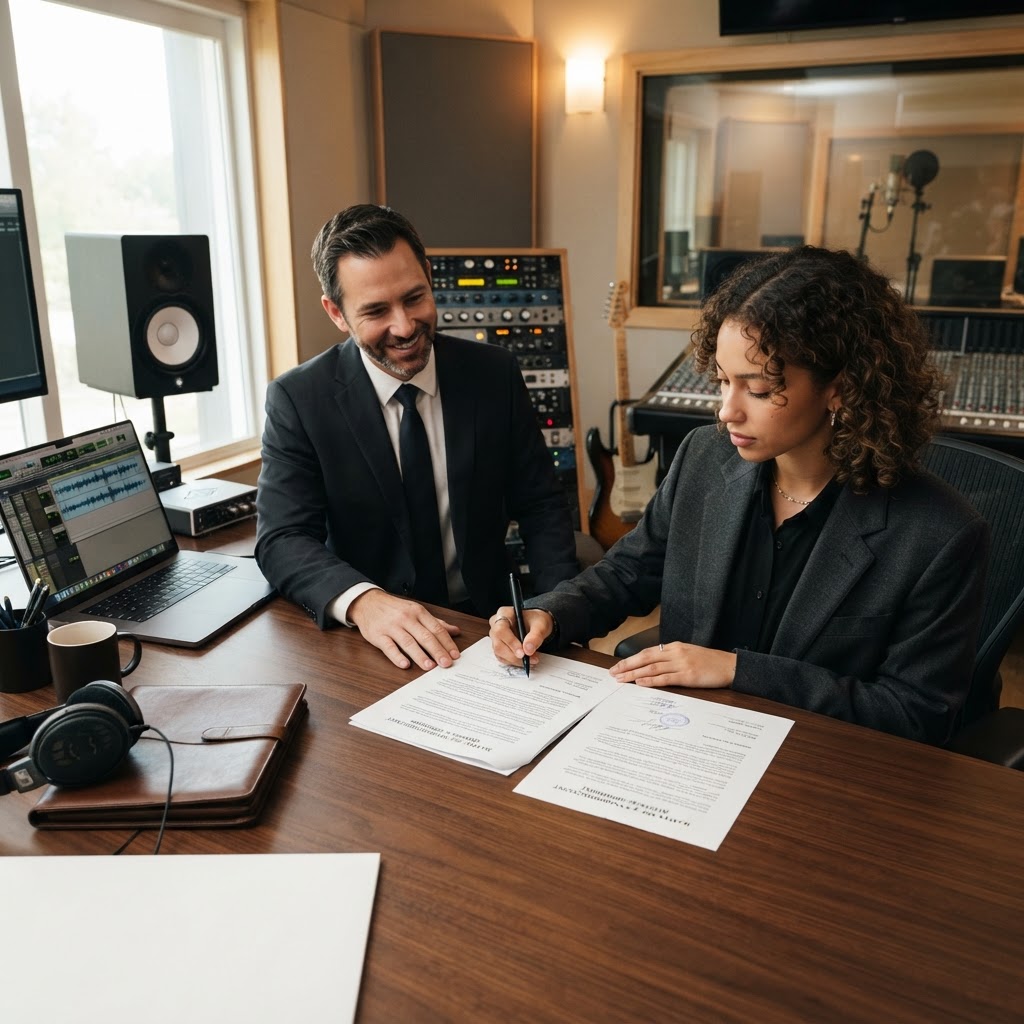
Music licensing is essentially a contract between the music producer and the recording artist. When you browse the beat store, you are looking at a catalog of intellectual property. The producer owns the copyright to the original instrumental, and through a license, they grant you permission to record your own lyrics and melodies over it. This creates a 'new' song, often referred to as a derivative work, which consists of the underlying beat and your vocal performance.
It is a common misconception that once you buy a beat, you own it entirely. In reality, unless you purchase exclusive rights, the producer retains the copyright and can continue to license the same beat to other artists. This is why it is vital to read the terms of your agreement carefully. Most independent creators start with non-exclusive licenses because they are cost-effective and allow for growth on platforms like Spotify and YouTube without a massive upfront investment.
Legal clarity is the best way to protect your future royalties. If your song happens to go viral, the last thing you want is a takedown notice because you didn't have the proper paperwork in place. By securing a license for the beats you use, you are essentially buying peace of mind and the right to build a professional brand without the fear of legal repercussions.
Leasing vs. Exclusive Rights: Which is Right for You?
The choice between whether to lease a beat or buy it exclusively depends on your budget and your goals for the specific project. To help you decide, you should view licensing options to see how different tiers affect your distribution limits. A lease, or non-exclusive license, usually comes with a cap on the number of streams, radio plays, or music videos you can release. These are perfect for up-and-coming artists who need high-quality instrumentals but are working with a limited budget.
Exclusive rights, on the other hand, mean that you are the last person to ever buy that beat. Once the transaction is complete, the producer removes the beat from their store. While exclusive rights are more expensive, they offer the ultimate control over your music. You won't have to worry about another artist using the exact same production for their hit single. For artists looking to sign with major labels or those who have a very specific vision, buying an instrumental exclusively is often the preferred route.
The Benefits of Leasing Beats
Leasing is the backbone of the independent music scene. It allows you to experiment with various styles, from Burna Boy inspired Afropop to gritty underground sounds, without committing hundreds of dollars to a single track. When you lease an instrumental, you get a high-quality audio file (usually WAV or tracked-out stems) that is ready for professional mixing and mastering.
Another major benefit of the leasing model is the ability to upgrade. Many producers allow you to start with a basic lease and move up to a premium or exclusive license if the song starts gaining significant traction. This scalability is a lifesaver for independent artists who are still building their audience and need to manage their cash flow effectively while still putting out top-tier content.
Why Consider Exclusive Rights?
If you have a song that you believe is a career-changer, exclusive rights are worth the investment. Having exclusive ownership means you can register the song with performance rights organizations (PROs) with fewer administrative hurdles. It also prevents any potential 'overlapping' issues on Content ID systems, which can sometimes occur when multiple artists use the same non-exclusive type beats.
Furthermore, exclusive rights often come with the full 'stems' of the track. Stems are the individual tracks (the kick, the snare, the synth, etc.) that make up the beat. Having these allows your engineer to create a much more polished and customized mix for your vocals, ensuring your final product sounds like a major label release rather than a bedroom demo.
How to Legally Use Beats on Your Songs
Once you have decided on the right license, the process of using the beat legally involves a few administrative steps. First, ensure you have a copy of the license agreement saved in your records. This document is your proof of purchase and your defense if a streaming service ever flags your track. Most reputable stores will automatically send this to your email immediately after you buy a beat.
When you are ready to distribute your song, you must credit the producer correctly. This is not just a courtesy; it is often a requirement of the contract. For example, if you are working on a track using hip-hop type beats, you would list the producer in the metadata of your distribution service (like DistroKid or Tunecore). Proper crediting ensures that the producer receives their fair share of publishing royalties, which are separate from the 'master' royalties you earn from streams.
It is also important to stay within the limits of your license. If your lease allows for 50,000 streams and your song hits 45,000, it is time to reach out to the producer to renew or upgrade your license. Staying proactive about these limits demonstrates professionalism and builds a good relationship with the producers you work with, which can lead to custom collaborations in the future.
Navigating the Beat Store for Different Genres
As an independent artist, your sound might evolve across different projects. You might start with a heavy rock influence and later transition into a more commercial sound. A versatile producer like Alex Thrive offers a wide range of genres, making it easy to find pop type beats or even cinematic trailer music all in one place. The key is to look for instrumentals that complement your vocal range and lyrical themes.
When you are searching to buy an instrumental, don't limit yourself to just one category. Exploring sub-genres like Lo-Fi, Metalcore, or Jazz can give your music a unique edge that sets you apart from the competition. Many artists find success by blending genres—taking a country melody and putting it over a trap rhythm, for instance. The legal process remains the same regardless of the genre; as long as you have the license, you have the creative freedom to innovate.
Finally, remember that the quality of the beat is a reflection of your brand. Investing in professional production from a trusted source ensures that your music meets the industry standard for loudness and clarity. Whether you are looking for beats for a quick freestyle or a full-length studio album, always prioritize legal security and high-quality audio.
Conclusion
Securing the right music licensing is the most important step an independent artist can take to professionalize their career. By choosing to lease a beat or buy an instrumental through a legitimate platform, you protect your hard work and ensure that you can profit from your creativity. From understanding the nuances of exclusive rights to properly crediting your producers, these legal steps are what separate hobbyists from professional musicians.
As you continue to grow your catalog, keep these licensing principles in mind. Always read your contracts, keep track of your stream counts, and never be afraid to invest in the best production available. With the right legal foundation and high-quality beats, there is nothing stopping your music from reaching listeners all around the globe.


